
What Is a Major Difference Between Retail Banks and Credit Unions?
Retail banks are for-profit and shareholder-owned; credit unions are not-for-profit and member-owned.

Discover the latest strategies for credit repair, business growth, and getting the most out of Score Machine.
Retail banks are for-profit and shareholder-owned; credit unions are not-for-profit and member-owned.
Step-by-step guide to fix credit, improve scores, and prepare for mortgage approval.
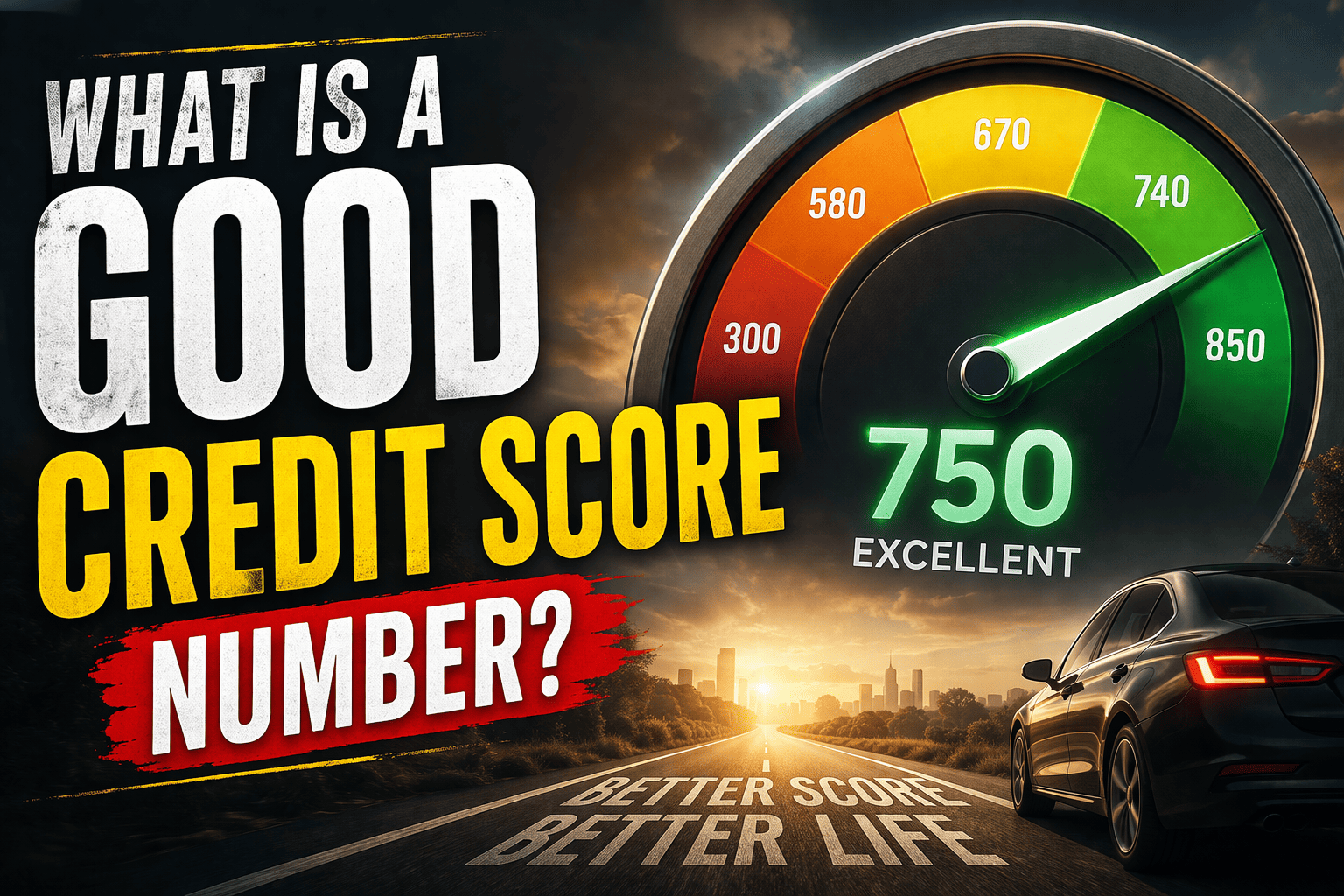
A good credit score is 670 or higher on the FICO scale, which ranges from 300 to 850. Scores between 670 and 739 fall into the "good" tier, while 740–799 is classified as "very good" and 800+ is considered "exceptional." The national average FICO score currently sits at 715, placing the typical American borrower in the good range
How credit analysis evolved from ancient grain loans to AI-powered risk scoring in 2026.
This article explains what credit score is needed for a business loan, including typical requirements for SBA loans, traditional banks, online lenders, merchant cash advances, invoice factoring, and equipment financing. It also breaks down the difference between personal and business credit, how FICO SBSS and PAYDEX scores work, and how business owners can improve funding readiness before applying.
Yes, you can refinance a car loan with bad credit in 2026 — even with a score as low as 460. According to Experian Q2 2025 data, borrowers saved an average of $71 per month after refinancing, with credit unions delivering up to $87 in monthly savings. This guide breaks down real approval data, minimum score requirements, lender comparisons, case studies, and a step-by-step strategy to lower your APR — even if you're currently paying 20%+ interest.
Try a different title, category, or description keyword.