
History and Evolution of Credit Analysis: How Risk Assessment Became a Science
How credit analysis evolved from ancient grain loans to AI-powered risk scoring in 2026.

Discover the latest strategies for credit repair, business growth, and getting the most out of Score Machine.
How credit analysis evolved from ancient grain loans to AI-powered risk scoring in 2026.

In 2026, getting a loan with no credit is possible through cash-flow underwriting, credit unions with manual review, and credit-builder loans. Instead of relying on FICO scores, modern lenders analyze income stability, rent history, and bank-account data through open banking tools like Plaid. With proper documentation, many credit-invisible borrowers can secure approval within 24–48 hours and begin building a scorable credit profile in as little as six months.
This article explains what credit score is needed for a business loan, including typical requirements for SBA loans, traditional banks, online lenders, merchant cash advances, invoice factoring, and equipment financing. It also breaks down the difference between personal and business credit, how FICO SBSS and PAYDEX scores work, and how business owners can improve funding readiness before applying.
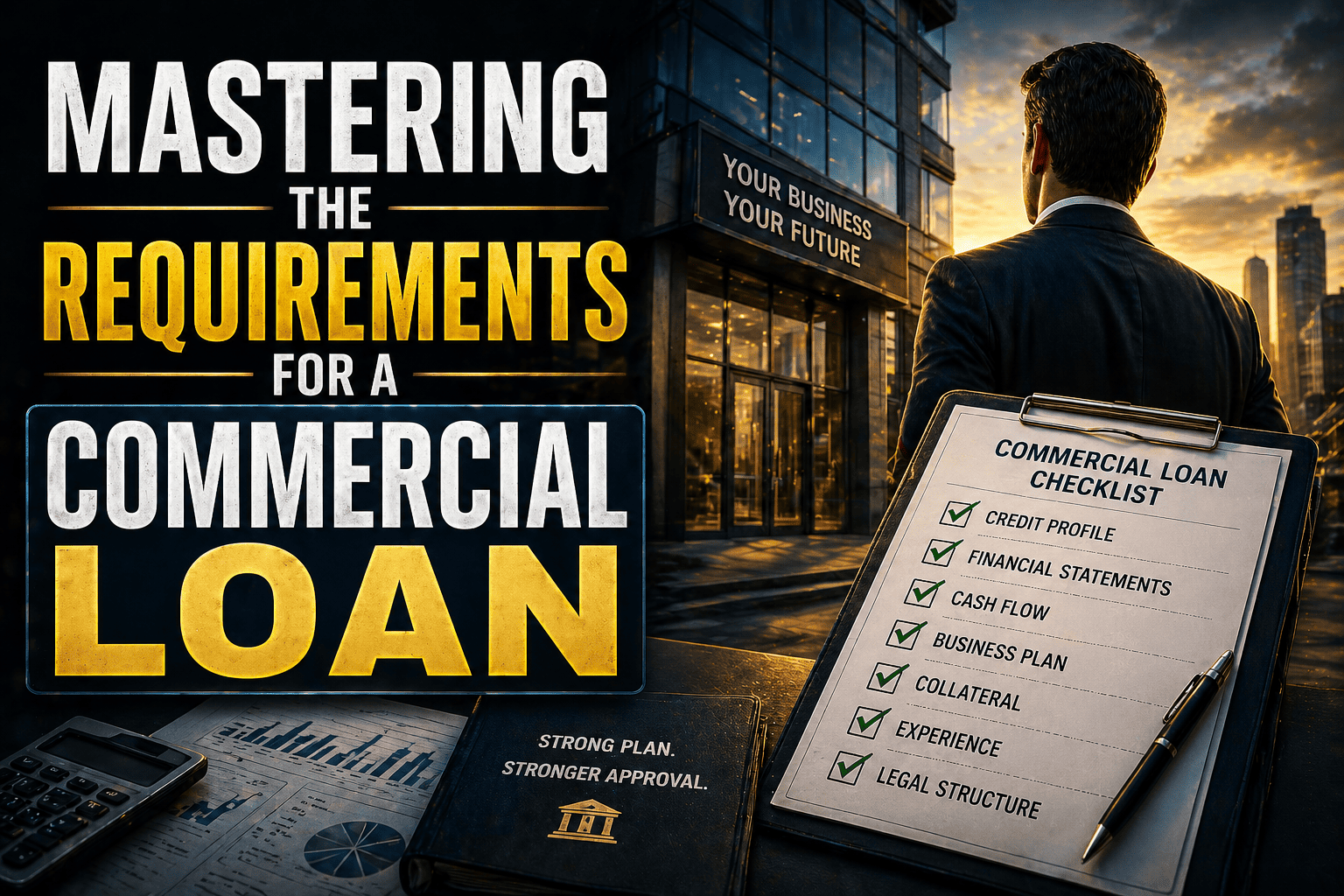
This guide covers the main commercial loan requirements, including credit score, DSCR, cash flow, collateral, down payment, business history, and documents lenders need for approval.
Choosing between a 15-year or 30-year mortgage in 2026 comes down to balancing affordability, flexibility, and long-term savings. A 30-year mortgage offers lower monthly payments and more breathing room, making it ideal for first-time buyers, growing families, or those who plan to move within a decade. On the other hand, a 15-year mortgage comes with higher monthly payments but dramatically lower interest costs and faster equity growth, perfect for high earners or long-term homeowners. With current rates hovering around 6.15% for 30-year and 5.45% for 15-year loans, understanding your budget, goals, and lifestyle is key to making the right choice.
Capital One Business Loans offer several financing options for entrepreneurs, including term loans, business lines of credit, SBA loans, commercial loans, equipment financing, and business credit cards. This guide explains Capital One loan types, qualification requirements, application steps, rates, and how business owners can compare funding options before applying.
Try a different title, category, or description keyword.