
Last updated: July 9, 2026 — Rates, fees, and offers verified against each issuer's published terms. What changed in this update: replaced the discontinued Petal 2 Visa (applications closed after Petal's rebrand to Tilt) with the Tilt Essentials Card, and re-verified all rates and offers. Card details change often, so confirm on the issuer's site before applying.
Advertiser disclosure: Some links on this page may earn Score Machine a commission if you apply through them, at no cost to you. Our rankings and analysis are independent — compensation never determines which cards we recommend or where they rank. <!-- If you have zero affiliate links, change to: "Score Machine currently earns no commission from any card on this page. Rankings are fully independent." -->
The best first credit card for most beginners is the Chase Freedom Rise: it charges a $0 annual fee, earns 1.5% cash back, requires no security deposit, accepts applicants with no credit history, reports to all three credit bureaus, and offers a clear upgrade path within the Chase family.
If you can't get approved with zero history, the Discover it Secured is the strongest secured card, and students should start with the Capital One Savor Student.
This guide compares nine cards across every beginner situation: no credit, student, fair credit, secured, and rewards-focused. Starting from zero is normal — CFPB research shows over 80% of 18–19 year-olds have no scorable credit file yet — and the right first card is how most people fix that. Below you'll find the approval requirements, deposits, and first-year math for each pick, plus answers to the questions first-time applicants ask most.
On this page:
- Our Top Picks at a Glance
- How We Chose These Cards
- Why Does Your First Credit Card Matter So Much?
- What Types of Credit Cards Can Beginners Get?
- Full Card Reviews
- Secured vs. Unsecured
- How to Build Credit With Your First Card
- Common Mistakes to Avoid
- FAQ
<!-- Adjust anchor slugs to match your CMS's heading-ID format if it differs from these defaults. -->
Our Top Picks at a Glance
| Card | Best For | Annual Fee | Rewards | Welcome Offer | Deposit | APR | Credit Needed |
|---|---|---|---|---|---|---|---|
| Chase Freedom Rise | Best overall first card | $0 | 1.5% cash back | Varies by offer | None | Variable* | Limited/none |
| Discover it Secured | Best secured card | $0 | 2% gas & dining (up to $1,000/qtr), 1% other | Cashback Match (first year doubled) | $200 min | Variable* | None |
| Capital One Savor Student | Best for students | $0 | 3% grocery, dining, entertainment, streaming; 1% other | $100 after $300 spend in 3 months | None | Variable* | Limited/none |
| Discover it Student Cash Back | Best student rotating rewards | $0 | 5% rotating categories, 1% other | Cashback Match | None | Variable* | Limited/none |
| Tilt Essentials | Best no-deposit, no-annual-fee unsecured | $0 | 1% all purchases; 3% gas & groceries with AutoPay | None | None | 29.99% (V) | Limited |
| Capital One Platinum | Best no-deposit builder | $0 | None | None | None | Variable* | Limited |
| OpenSky Secured Visa | Best with no credit check | $35 | Varies | None | $200 min | Variable* | None (no credit pull) |
| BofA Unlimited Cash Rewards Secured | Best secured rewards rate | $0 | 2% first year, then 1.5% | None | $200 min | Variable* | None |
| Chase Freedom Unlimited | Best if you have fair–good credit | $0 | 1.5% base; 3% dining; 5% Chase Travel | $200 after $500 spend in 3 months | None | Variable* | Good |
*Starter-card APRs are variable and typically run 25%–30% as of July 2026; the exact rate is assigned at approval. Tilt publishes a 29.99% variable APR for the Essentials card. Always confirm the current APR on the issuer's terms page — and plan to pay in full monthly so the APR never applies to you. Offers shown as of July 2026; each card name links to the issuer's official page.
Not sure where to start? Check your approval odds with Capital One's pre-qualification tool or Discover's pre-approval check — both use a soft pull, so checking never touches your credit score.
<!-- IMAGE 1 — file created: best-first-credit-card-2026-top-picks.webp. Upload to your media library and keep this alt text. -->
How We Chose These Cards
Every card on this list had to clear five requirements before we considered rewards or perks:
- Reports to all three credit bureaus (Equifax, Experian, TransUnion) — skipping a bureau slows your credit building.
- Accessible to beginners — available with limited or no credit history, or via a refundable deposit.
- No predatory fee structure — we excluded cards charging monthly maintenance fees or annual fees above $39, which is why products like First Premier, Credit One, Total Visa, and First Access don't appear here.
- A path forward — either an upgrade route to an unsecured card or a card worth keeping open for years.
- Free credit score access — so you can watch your progress without paying for monitoring.
We then ranked cards on rewards value, deposit requirements, approval transparency (soft-pull pre-qualification is a plus), and long-term keepability. Every data point in this guide is checked against the issuer's own published terms — each card name above links directly to its official page so you can verify anything yourself. We review this page whenever issuers change offers, and at minimum quarterly.
Why Does Your First Credit Card Matter So Much?
Your first card opens your credit file. From the day the account opens, the issuer reports your payment history, balance, and account age to the credit bureaus — Equifax, Experian, and TransUnion — and those reports become your credit score.
According to myFICO, a FICO Score weighs five factors: payment history (35%), amounts owed/utilization (30%), length of credit history (15%), new credit (10%), and credit mix (10%). VantageScore, the other major scoring model, weighs payment history even more heavily. Notice that the first two factors — the ones you fully control with a first card — make up 65% of your FICO score, and the length of your credit history keeps compounding for decades after you open that first account.
That's why the boring fundamentals beat flashy rewards for a first card. A no-fee card you keep open for ten years quietly strengthens your credit the entire time. A $95 "starter rewards" card you cancel after a year actually shortens your average account age and works against you. It's also why federal law shapes who can apply: under the CARD Act of 2009, applicants under 21 must show independent income or add a co-signer.
Get the first card right and everything downstream gets cheaper: auto loans, apartment applications, and mortgage rates. It's also your ticket to better cards later — once your score reaches good territory (670+), you unlock everything in our complete guide to the best credit cards for good credit, including the best travel cards for good credit. If you want the full timeline, see our guide on how long it takes to build credit from scratch.
What Types of Credit Cards Can Beginners Get?
Secured credit cards require a refundable deposit — usually $200 minimum — that becomes your credit limit. Because the deposit removes the issuer's risk, approval is nearly guaranteed, even with no history or past credit damage. Good secured cards refund the deposit when you upgrade or close in good standing.
Student credit cards are unsecured cards for college students. No deposit, lenient approval, and often surprisingly good rewards — issuers compete hard for students because of their future earning potential.
Unsecured starter cards like the Tilt Essentials and Capital One Platinum approve applicants with thin files by using cash-flow underwriting — analyzing your income and bank-account behavior instead of (or alongside) a credit score. No deposit required, but limits start small.
Credit-builder cards from fintechs link to your bank account and report activity like a credit card. Chime's Credit Builder card is the best-known example — useful if you can't get approved elsewhere, though a traditional secured card from a major issuer is usually the stronger long-term choice.
Best First Credit Cards of 2026: Full Reviews
1. Chase Freedom Rise — Best Overall First Card
Why we like it: Flat 1.5% cash back with no annual fee is rare for a card that accepts applicants with no credit history. Chase also lets you check approval odds with a soft pull, and having an existing Chase checking or savings account meaningfully improves your chances. After responsible use, you can product-change into the broader Chase Freedom family without a new application.
What we don't like: The APR is high (typical for starter cards), and approval is easier if you already bank with Chase — pure outsiders face tougher odds.
Who should get it: Anyone 18+ building credit from zero who wants a card worth keeping long after their score improves.
→ Check details and current terms at Chase
2. Discover it Secured — Best Secured Card
Why we like it: It's the rare secured card that pays you: 2% cash back at gas stations and restaurants on up to $1,000 in combined purchases each quarter, 1% everywhere else, and Discover matches all your first-year cash back with no cap. There's no annual fee, it reports to all three bureaus, and Discover reviews accounts for graduation to an unsecured card — your $200+ deposit comes back when you upgrade. This isn't just our pick: NerdWallet has named it the best card for building credit in its annual Best-Of Awards every year from 2018 through 2026.
What we don't like: The $200 minimum deposit is a real barrier if cash is tight, and the upgrade timeline is no longer as clearly advertised as it once was.
Who should get it: Non-students starting from zero, or anyone rebuilding after past credit damage.
→ Check details and current terms at Discover
3. Capital One Savor Student — Best Student Card
Why we like it: The rewards embarrass most non-student cards: 3% cash back at grocery stores, on dining, entertainment, and popular streaming services, plus 5% on hotels and rental cars booked through Capital One Travel — with a $100 bonus after spending $300 in the first three months. No annual fee, no credit history required, and Capital One's pre-qualification tool is a soft pull.
What we don't like: High APR, and the 3% grocery category excludes superstores like Walmart and Target.
Who should get it: College students whose spending centers on food, streaming, and going out — which is most college students.
→ Check details and current terms at Capital One
4. Discover it Student Cash Back — Best Rotating Rewards for Students
Why we like it: 5% cash back on rotating quarterly categories (up to the quarterly cap, activation required), first-year Cashback Match, no annual fee, and Discover waives your first late fee — welcome forgiveness for someone new to due dates. Discover's student cards have dominated NerdWallet's best-college-card award nearly every year since 2020, and it shows in the details.
What we don't like: Rotating categories take management. If you won't remember to activate them each quarter, a flat-rate card fits better.
Who should get it: Students who enjoy optimizing and want the highest possible cash-back ceiling on a first card.
→ Check details and current terms at Discover
5. Tilt Essentials — Best No-Deposit, No-Annual-Fee Unsecured Card
Why we like it: No annual fee, no security deposit, and cash-flow underwriting: Tilt (formerly Petal, issued by WebBank) can evaluate your real bank-account behavior instead of relying only on a credit score, so a thin file doesn't block approval. You earn 1% cash back on every purchase and 3% on gas and groceries with AutoPay turned on, the card reports to all three bureaus, and Tilt considers credit-limit increases as early as four months in. Pre-qualification is a soft pull.
What we don't like: The 29.99% variable APR is high even for starter cards, there's no welcome bonus, and cash back redeems only as a statement credit. Note for readers of older guides: Tilt's cards replaced the Petal lineup — applications for the Petal 1 and Petal 2 Visa closed after the August 2025 rebrand, though existing Petal cardholders keep their accounts.
Who should get it: Applicants with limited credit who want an unsecured card without a deposit and refuse to pay an annual fee while building.
→ Check details and current terms at Tilt
6. Capital One Platinum — Best No-Deposit Credit Builder
Why we like it: It does one job with zero friction: no annual fee, no deposit, approval with limited credit, and automatic credit line reviews after as few as six months of on-time payments. Pre-qualification is a soft pull.
What we don't like: No rewards at all, and starting limits are typically $300–$500.
Who should get it: Non-students who can't or don't want to tie up $200 in a secured deposit and don't care about rewards yet.
→ Check details and current terms at Capital One
7. OpenSky Secured Visa — Best With No Credit Check
Why we like it: OpenSky doesn't run a credit check at all — approval depends on your deposit (minimum $200), not your history. You don't even need a traditional banking relationship to apply. It reports to all three bureaus every month.
What we don't like: The $35 annual fee is the one fee we tolerate on this list, and only because the no-credit-check approval is genuinely unique. If you can qualify for the Discover it Secured, get that instead.
Who should get it: People with recent negative marks (collections, past charge-offs) who keep getting denied elsewhere, or applicants who want zero hard inquiries. If your credit is damaged rather than nonexistent, compare more options in our best credit cards for bad to fair credit guide.
→ Check details and current terms at OpenSky
8. Bank of America Unlimited Cash Rewards Secured — Best Secured Rewards Rate
Why we like it: 2% cash back on everything for the first year, then 1.5% ongoing — the strongest flat rewards rate available on a secured card, with no annual fee and a refundable deposit starting at $200.
What we don't like: No welcome bonus, and Bank of America's upgrade reviews are less transparent than Discover's.
Who should get it: Beginners who want the simplest possible rewards math while their deposit does the qualifying.
→ Check details and current terms at Bank of America
9. Chase Freedom Unlimited — Best If You Already Have Fair-to-Good Credit
Why we like it: If you've been an authorized user on a parent's card or have six-plus months of history, this is the strongest "first card you'll never outgrow": 1.5% base cash back, 3% on dining and drugstores, 5% on travel booked through Chase, a $200 bonus after $500 in spend in three months, and an intro APR period on purchases.
What we don't like: True beginners with no file will likely be denied — this card expects a credit score.
Who should get it: First-time applicants who already have some history and want maximum long-term value. Pair it with our 0% interest credit cards guide if the intro APR matters to you, and browse the full field in our best credit cards for good credit guide once you qualify.
→ Check details and current terms at Chase
Secured vs. Unsecured: Which Should You Choose?
| Factor | Secured Card | Unsecured Starter Card |
|---|---|---|
| Approval odds | Nearly guaranteed with deposit | Moderate — issuer checks income/history |
| Upfront cost | $200+ refundable deposit | $0 |
| Annual fee | Usually $0 (OpenSky: $35) | $0 on every card we recommend |
| Rewards | Sometimes (Discover, BofA) | Often (Rise, Tilt, Savor Student) |
| Credit building speed | Identical — both report monthly | Identical |
| Best for | No credit or damaged credit | Thin file, students, fair credit |
The honest answer: both build credit at exactly the same speed, because the bureaus don't score them differently. Choose based on approval odds. Starting from absolute zero or rebuilding? Secured. Have any positive history or student status? Go unsecured and skip the deposit.
After 6–12 months of on-time payments, request an upgrade from your issuer rather than closing the account — you'll get your deposit back while keeping the account age. And if a $200–$500 starting limit feels too small for your spending, some issuers accept much larger deposits — see our guide to high-limit secured credit cards.
How to Build Credit With Your First Card
- Pay the full statement balance every month. Payment history is 35% of your FICO score, and paying in full means the high APR never touches you.
- Stay under 10% utilization. On a $300 limit, that means keeping your reported balance under $30. Under 30% is acceptable; under 10% is optimal.
- Put one recurring bill on it. A streaming subscription or phone bill plus autopay creates a perfect payment record on autopilot.
- Set autopay for the full balance, not the minimum. One 30-day late payment can drop your score 60–100 points and stays on your report for seven years.
- Don't close the card — even after you upgrade. It's your oldest tradeline, and account age compounds in your favor.
- Space out applications. More than 2–3 hard inquiries in six months is a common denial trigger. One card, mastered, beats three cards juggled.
- Check your reports. Pull all three bureaus free at AnnualCreditReport.com — the only federally authorized source for free credit reports — and dispute errors; they're more common than you'd think.
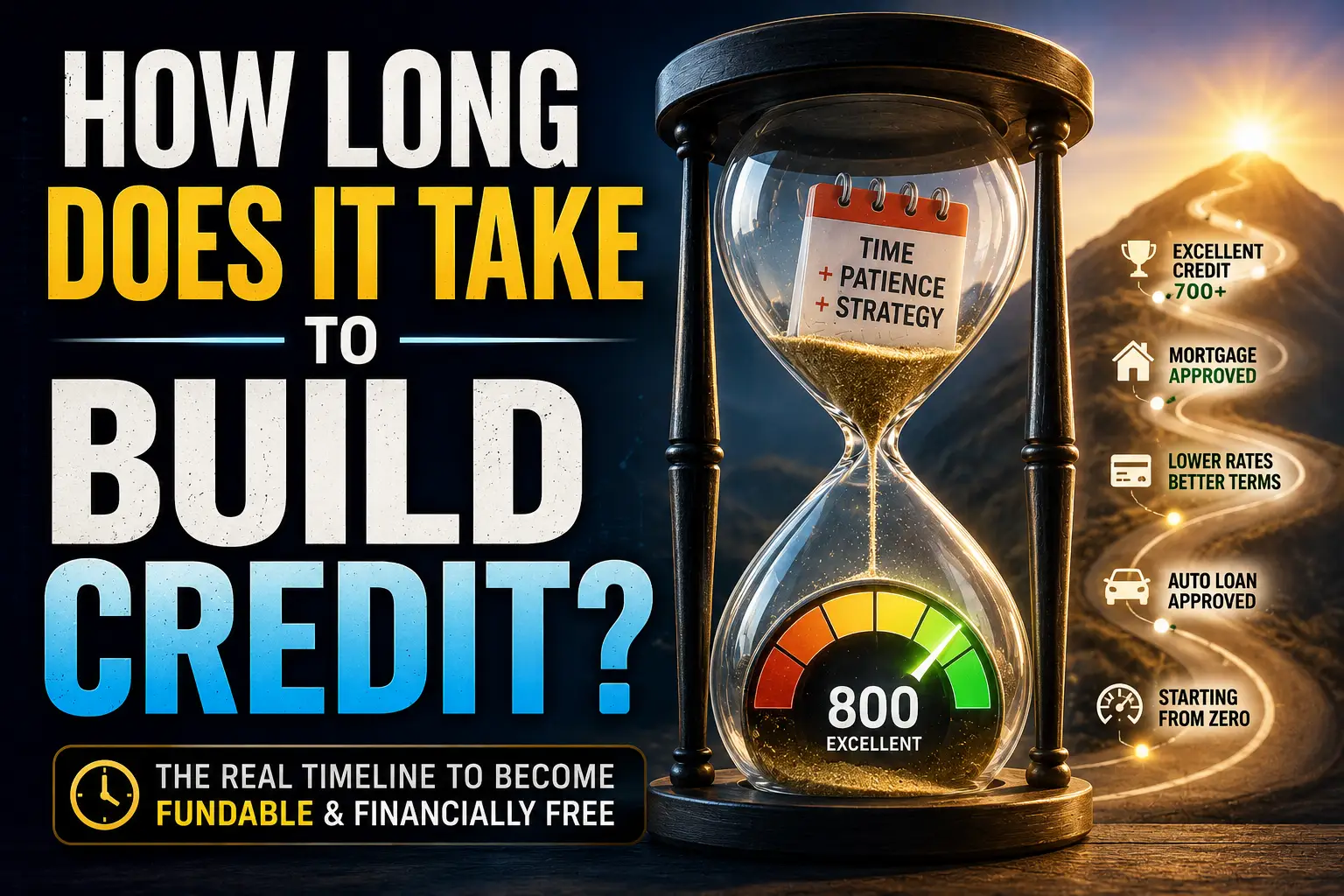
Follow this and a realistic timeline looks like: first score appears around month 3–4, 660–700 by month 6, and 700+ within a year for most people.
<!-- IMAGE 2 — file created: first-credit-card-score-timeline.webp. Chart shows the same typical ranges stated in the text above (illustrative, labeled as such on the image). -->
What the Data Shows About Starting From Zero
If you have no credit score yet, you're in the most normal position possible for your age — and the data proves the window closes fast. According to the CFPB's research on credit invisibility, more than 80% of 18–19 year-olds are credit invisible or have a file too thin to score, but that share falls to under 40% by ages 20–24. Across all U.S. adults, the CFPB's June 2025 update puts the credit-invisible share at just 2.7% (about 7 million people) as of 2020, with 87.5% of adults holding a scored credit record.
Two more numbers worth knowing before you apply. The CFPB specifically identifies secured credit cards and credit-builder loans as the primary on-ramps out of credit invisibility, noting that many secured cards include a graduation path to a traditional card. And per FICO's published scoring model, the two factors you control from day one — payment history (35%) and utilization (roughly 30%) — together account for about two-thirds of your score. That's why the seven habits above matter more than which card you pick.
Data sources: CFPB Data Point: Credit Invisibles (age breakdown); CFPB Technical Correction and Update (June 2025, current adult figures); myFICO (score factor weightings).
<!-- OPTIONAL UPGRADE: when you have a true personal first-card story, add it as a short paragraph at the end of this section ("My own first card was...") — real first-person experience stacks on top of this data section. Never invent one. -->
How to Build Credit Without a Credit Card
Not ready for a card? These alternatives also feed your credit file:
- Authorized user status on a family member's long-standing, low-utilization card — their positive history reflects on your report.
- Credit-builder loans from credit unions and online lenders: payments accumulate in a locked savings account you receive at the end.
- Rent reporting services that add on-time rent to your bureau files.
- Experian Boost, which adds utility, phone, and streaming payments to your Experian report.
These work, but they're slower than a card. Most people do best combining one of these with a secured card.
<!-- IMAGE 3 — file created: credit-utilization-example.webp -->
Common First-Card Mistakes to Avoid
- Choosing a high-fee subprime card. First Premier, Credit One, and similar cards stack $59–$95 annual fees with monthly maintenance fees on tiny limits — the Federal Trade Commission warns consumers to compare fee disclosures carefully before applying. Our Milestone credit card review breaks down exactly how these fee structures work on one popular subprime card. Every card on this page charges $0–$35 — never accept worse.
- Maxing out the limit. A $295 balance on a $300 limit spikes utilization to 98% and tanks your score that cycle, even if you pay on time.
- Paying only the minimum. Starter-card APRs of 25%–30% turn a $500 balance into a long, expensive lesson.
- Taking cash advances. They carry a separate fee plus immediate interest with no grace period.
- Closing the card early. A young closed account erases the history you just paid to build.
- Chasing a sign-up bonus you can't afford. Never spend money you don't have to hit a bonus threshold.
Frequently Asked Questions
What is the best first credit card in 2026?
The Chase Freedom Rise is the best first credit card for most people: $0 annual fee, 1.5% cash back, three-bureau reporting, and a Chase upgrade path. With no credit history, the Discover it Secured is the top pick; students should start with the Capital One Savor Student.
What is the easiest first credit card to get approved for?
The OpenSky Secured Visa, because it requires no credit check — approval rests on your $200 refundable deposit. The Discover it Secured and Capital One Platinum are close behind, with lenient requirements and soft-pull pre-qualification.
How old do you have to be to get a credit card?
18, under U.S. law. The CARD Act of 2009 requires applicants under 21 to show independent income or add a co-signer. Under 18, your option is becoming an authorized user on a parent's account — a legitimate head start, provided their account has clean history and low utilization.
What credit score do I need for my first credit card?
Often none. Secured cards and most student cards have no minimum score. Unsecured starters like the Tilt Essentials accept limited credit via cash-flow underwriting, and cards like the Chase Freedom Unlimited generally expect a good score (670+).
Should my first credit card be secured or unsecured?
Secured if you're starting from zero or rebuilding — approval is nearly guaranteed and the deposit comes back when you upgrade. Unsecured if you're a student, have authorized-user history, or qualify for a no-deposit starter like the Tilt Essentials or Capital One Platinum. Both build credit at the same speed.
How long does it take to build credit with a first card?
Your first score typically appears within 3–6 months. With on-time payments and low utilization, 660–700 by month six and 700+ within 12 months is realistic. Our credit-building timeline guide breaks down each stage.
How much credit limit will I get on a $50,000 salary?
For a first card, expect $300–$1,500 regardless of salary — issuers weight credit history over income for new files. On unsecured starters with fair credit, $1,500–$5,000 is possible. Most issuers review accounts for automatic increases every 6–12 months.
Can I use 90% of my credit limit?
You can, but your score will suffer. Utilization is roughly 30% of your FICO score, and 90% usage signals financial stress. Stay under 30%, ideally under 10% — on a $300 limit, that's a balance under $30 when the statement closes.
How many credit cards should a beginner have?
One. Master it for at least six months — full payments, low utilization — before considering a second. Multiple applications in a short window generate hard inquiries that lower your score and raise denial odds.
Are debit cards or prepaid cards good for building credit?
No. Debit and prepaid cards don't report to credit bureaus, so they build nothing. Chime is a checking account with a debit card, not a prepaid card — though its separate Credit Builder card does report like a credit card and can be a stepping stone.
What about business credit for entrepreneurs with no credit history?
Build personal credit first — most starter business cards require a personal guarantee and check your personal score. Once you have 6–12 months of history, options open up quickly; our business credit funding guide covers the full path.
Bottom Line
The best first credit card is the one you'll keep open for a decade: no annual fee, three-bureau reporting, and terms you fully understand. For most beginners that's the Chase Freedom Rise; from absolute zero, the Discover it Secured; for students, the Capital One Savor Student. Pick one, put a single bill on it, autopay the full balance, and let time do the compounding.
Ready to start? Check your approval odds at Capital One (soft pull) or see current Discover it Secured terms — neither affects your credit score.
Related Guides & Comparisons
Building and repairing credit:
- How Long Does It Take to Build Credit From Scratch?
- 7 Best Credit Cards for Bad to Fair Credit in 2026
- High-Limit Secured Credit Cards
- Milestone Credit Card Review 2026: Fees, Approval Odds & Credit Building
Your next cards after building credit:
- Best Credit Cards for Good Credit: A Complete 2026 Guide
- The 7 Best Travel Cards for Good Credit in 2026
- Best 0% Interest Credit Cards
- Business Credit & Funding Guide
Card details verified as of July 9, 2026 against issuer disclosures. Offers change — always confirm current terms on the issuer's application page.
Sources: Consumer Financial Protection Bureau (CARD Act and cardholder rights) · myFICO (credit score factor weightings) · AnnualCreditReport.com (free bureau reports) · Issuer terms pages linked per card above
Disclaimer
The content on this page is for general informational and educational purposes only and does not constitute financial, legal, or credit advice. Score Machine is not a bank, credit card issuer, or financial advisor. Everyone's financial situation is different — before applying for any credit product, consider your own circumstances and, if needed, consult a qualified financial professional
About the author: Ali Badi is a financial writer at Score Machine specializing in consumer credit and credit-building strategy. He has reviewed 40+ starter, secured, and student credit cards, and his analysis is verified against issuer disclosures before publication. Reviewed by the Score Machine editorial team. Last reviewed: July 9, 2026.